Haute Read: The Battle of Versailles – When Fashion Redefined Power
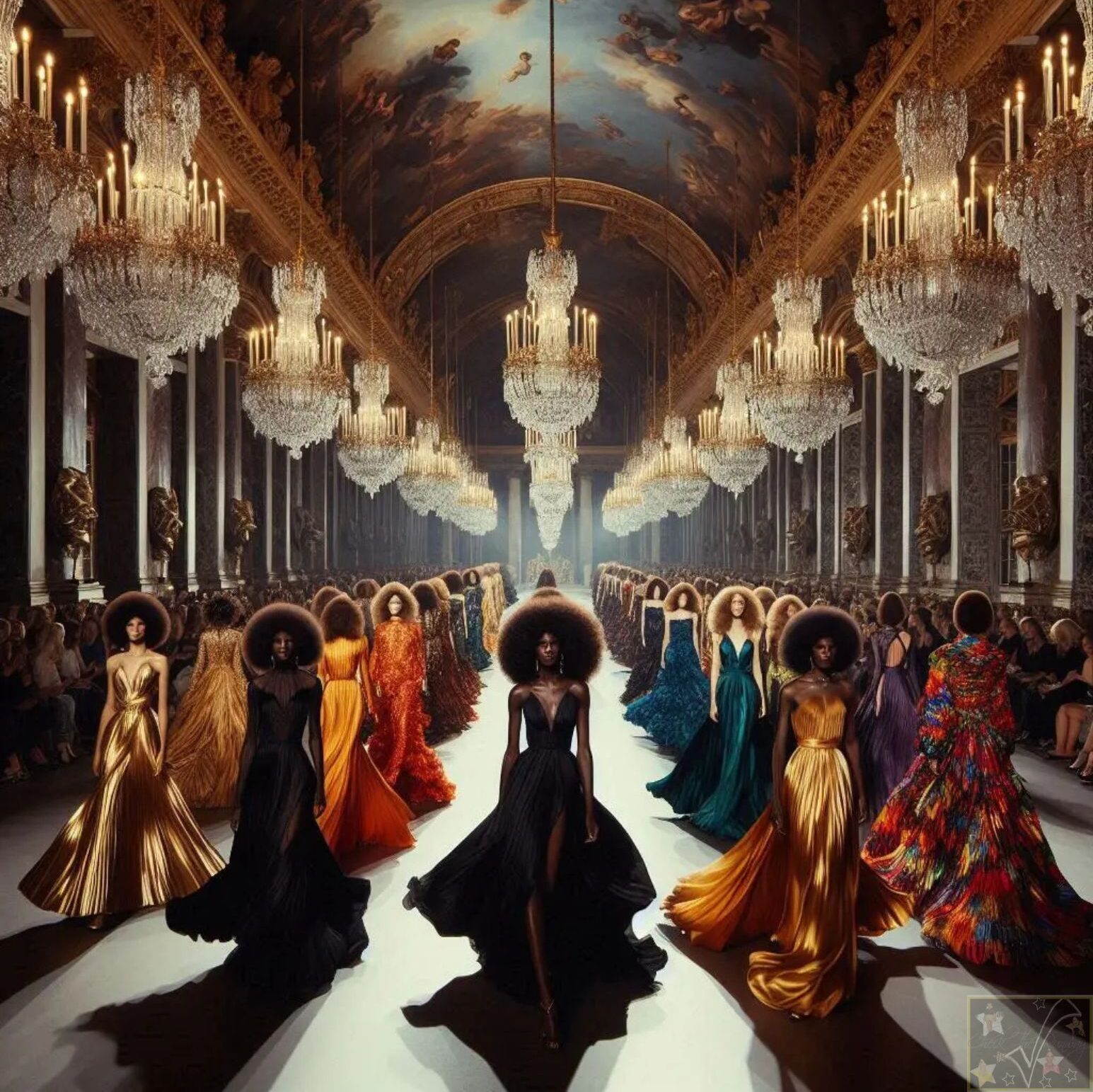
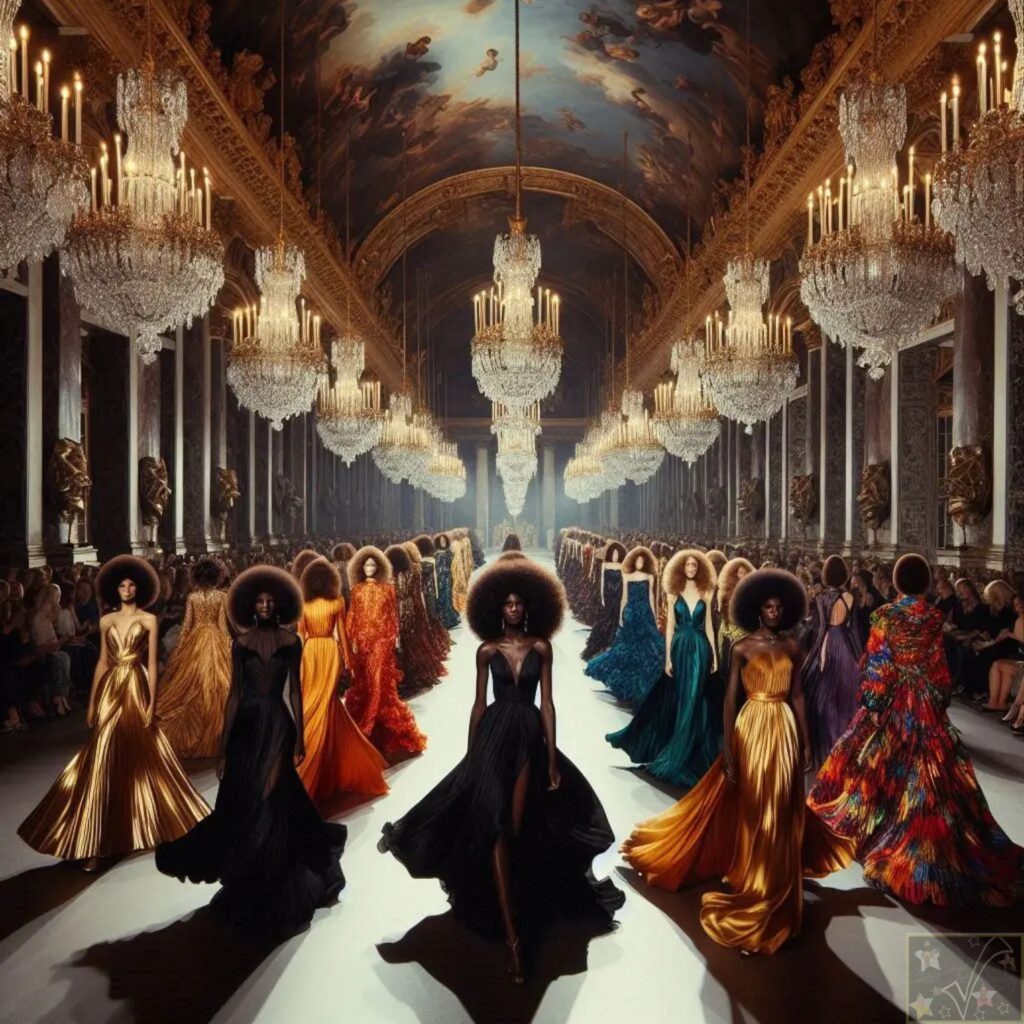
In 1973, under the glittering chandeliers of the Palace of Versailles, fashion history was rewritten. What began as a fundraising gala for palace restoration transformed into a cultural showdown that would shift the balance of global fashion power forever. The event, later dubbed The Battle of Versailles, pitted five French couture titans, Yves Saint Laurent, Hubert de Givenchy, Christian Dior (then under Marc Bohan), Pierre Cardin, and Emmanuel Ungaro, against five American ready-to-wear designers, Oscar de la Renta, Halston, Bill Blass, Anne Klein (with a young Donna Karan at her side), and Stephen Burrows.
The expectation? A French triumph, steeped in tradition, luxury, and couture craft. The reality? America stole the spotlight, with a revolutionary approach to fashion that felt modern, democratic, and alive.
The Models Who Stole the Night
What truly set the Americans apart wasn’t just the fluid jersey dresses of Halston or the joyful, body-conscious designs of Stephen Burrows. It was the casting. Nearly a dozen Black models, including Pat Cleveland, Bethann Hardison, Alva Chinn, and Billie Blair, brought an energy the French had not anticipated.
Pat Cleveland, with her theatrical spins and effortless charisma, danced down the runway as if she owned Versailles. Bethann Hardison, known for her striking walk and powerful stage presence, exuded a confidence that electrified the audience. The French presentations, lavish, ornate, but weighed down by long skits and elaborate sets, suddenly felt outdated in contrast to the American freshness, speed, and vitality.
For the first time, the world saw Black beauty celebrated on a global stage in high fashion, not as a token, but as the heartbeat of the show.
A Cultural Power Shift
Fashion has always been about more than clothes, it is a mirror of politics, culture, and identity. At Versailles, the Americans weren’t just competing against couture houses; they were asserting the credibility of ready-to-wear as a force of modern luxury. The victory signaled that fashion could be youthful, diverse, and dynamic, and it didn’t have to originate in Paris to matter.
Stephen Burrows’ joyful use of color-blocking and Halston’s minimalist chic resonated with a new generation who wanted ease, freedom, and movement in their wardrobes. Meanwhile, the French reliance on spectacle and aristocratic ideals revealed a divide between past grandeur and modern progress.
This night marked the beginning of America’s ascent in fashion, paving the way for designers like Ralph Lauren, Donna Karan, and eventually, today’s innovators like Virgil Abloh and LaQuan Smith, who continue to challenge and redefine what fashion power looks like.
Why It Still Matters
Looking back, the Battle of Versailles is more than a glamorous memory; it was a turning point where fashion intersected with race, identity, and global influence. The night validated American design and celebrated Black models whose presence changed the runway forever.
It reminds us that fashion is never just fabric and seams, it is about who gets to be seen, heard, and celebrated.
CHECKED!