Flashback Friday: Elegance in Every Thread: The Enduring Legacy of Giorgio Armani

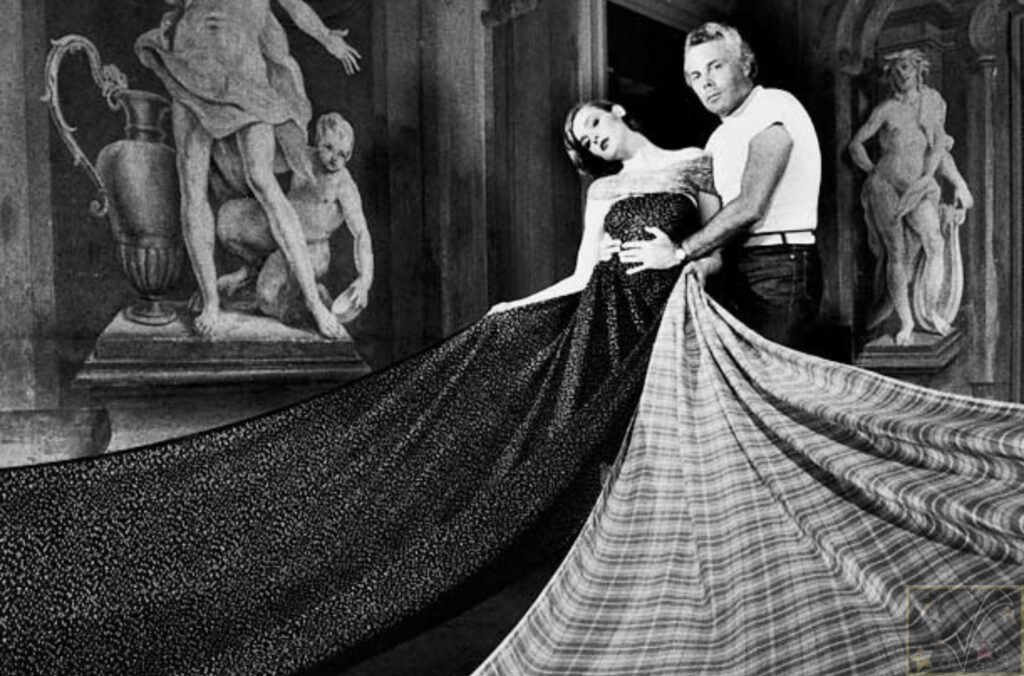
Few names in fashion resonate with timeless sophistication the way Giorgio Armani does. Since the birth of his house in 1975, launched alongside his business partner Sergio Galeotti, Armani has stood as the architect of modern elegance. His genius lay in translating the rigidity of traditional tailoring into something fluid, wearable, and profoundly chic.
The Revolution of the Soft Shoulder
Before Armani, power dressing meant stiff jackets, sharp angles, and padded dominance. Armani’s answer? The “soft shoulder.” He reimagined the jacket with supple structure and relaxed lines, crafting tailoring that whispered ease instead of shouting formality. Women, too, benefited from his vision, suits that were both strong and sensual, clothing that exuded authority without losing femininity. In an era defined by upheaval and reinvention, Armani’s tailoring became the international uniform of quiet power.
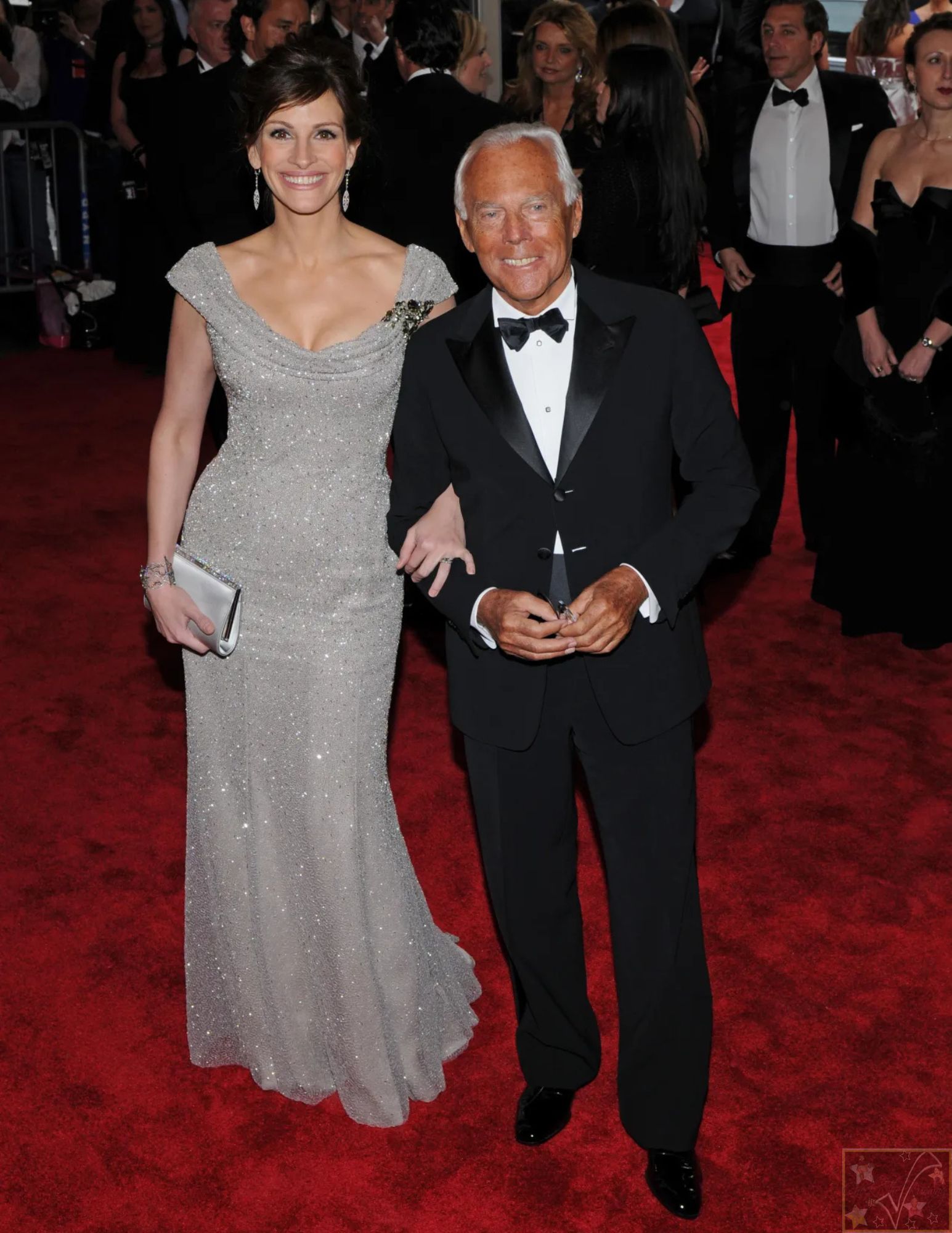
Hollywood’s Golden Touch
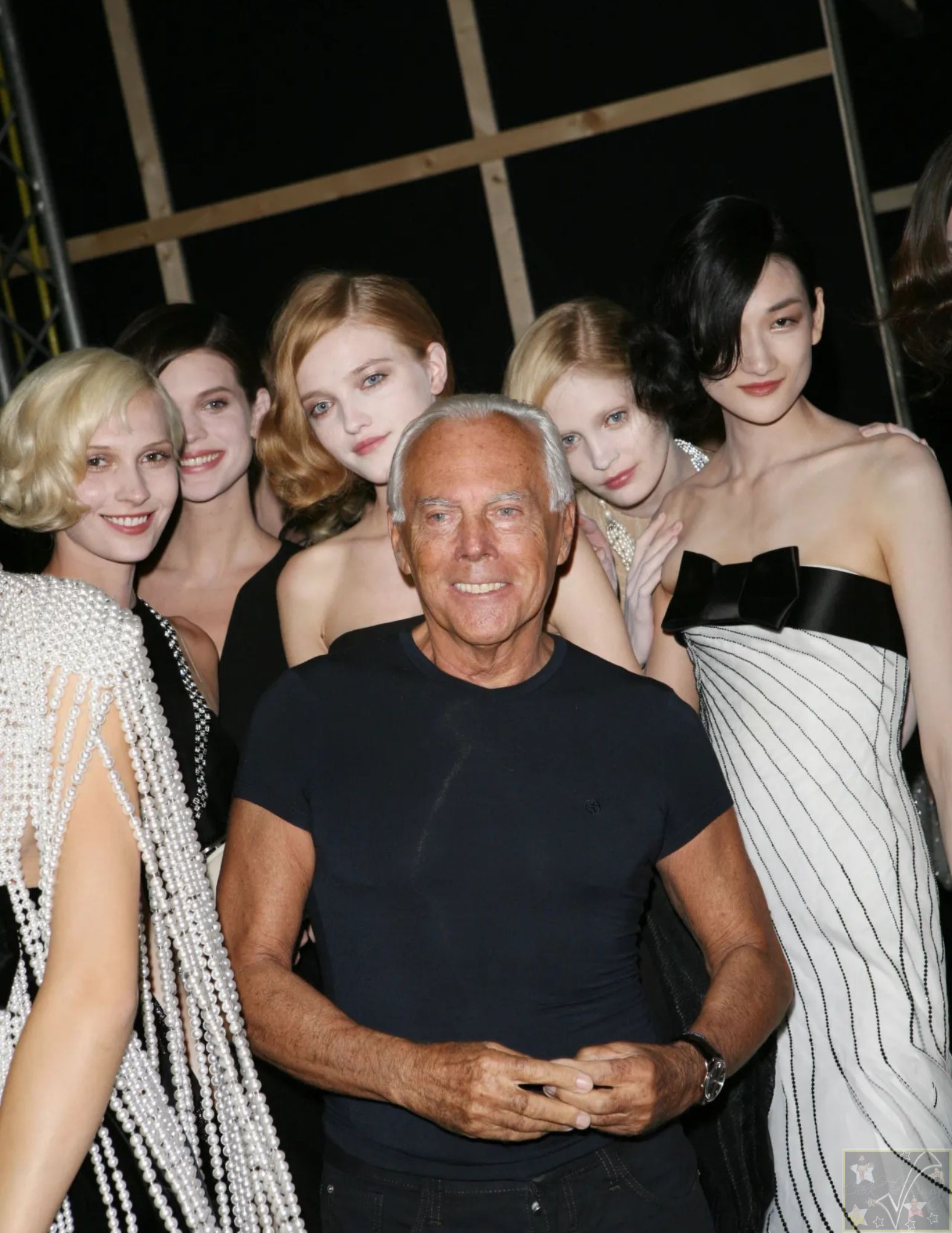
The Armani name exploded into the global consciousness when Richard Gere, impeccably dressed in his sleek suits, graced the screen in American Gigolo (1980). The film was a cultural moment, with Armani not just styling a character but shaping an entire archetype: confident, magnetic, effortlessly masculine. From there, Armani became Hollywood’s go-to couturier. Stars like Michelle Pfeiffer, Julia Roberts, and Leonardo DiCaprio wore his creations, both on screen and on the red carpet. His clean, sculpted gowns and sharp tuxedos offered stars something rare: the ability to look both glamorous and unforced. Armani had cracked the code of cinematic elegance.
Minimalism as Luxury
Where others reached for embellishments, Armani mastered restraint. His palette was quiet, muted neutrals, endless shades of grey, subtle midnight blues, yet his clothes carried a presence that commanded attention. With whisper-soft silks, cashmeres, and satins, Armani proved that luxury didn’t need to sparkle to shine. He created what we now call “stealth wealth,” an aesthetic rooted in discretion, refinement, and supreme confidence. Unlike many contemporaries, Armani was an independent spirit, he never bowed to the lure of conglomerates. He maintained ownership of his empire, valuing creative integrity over corporate influence. This independence allowed him to keep his vision uncompromised and ensure Armani was more than a brand, it was a philosophy.
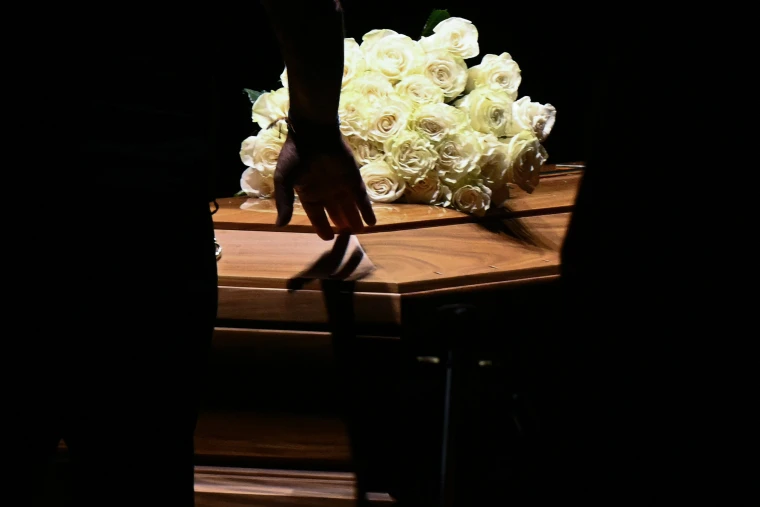
A Farewell in Milan
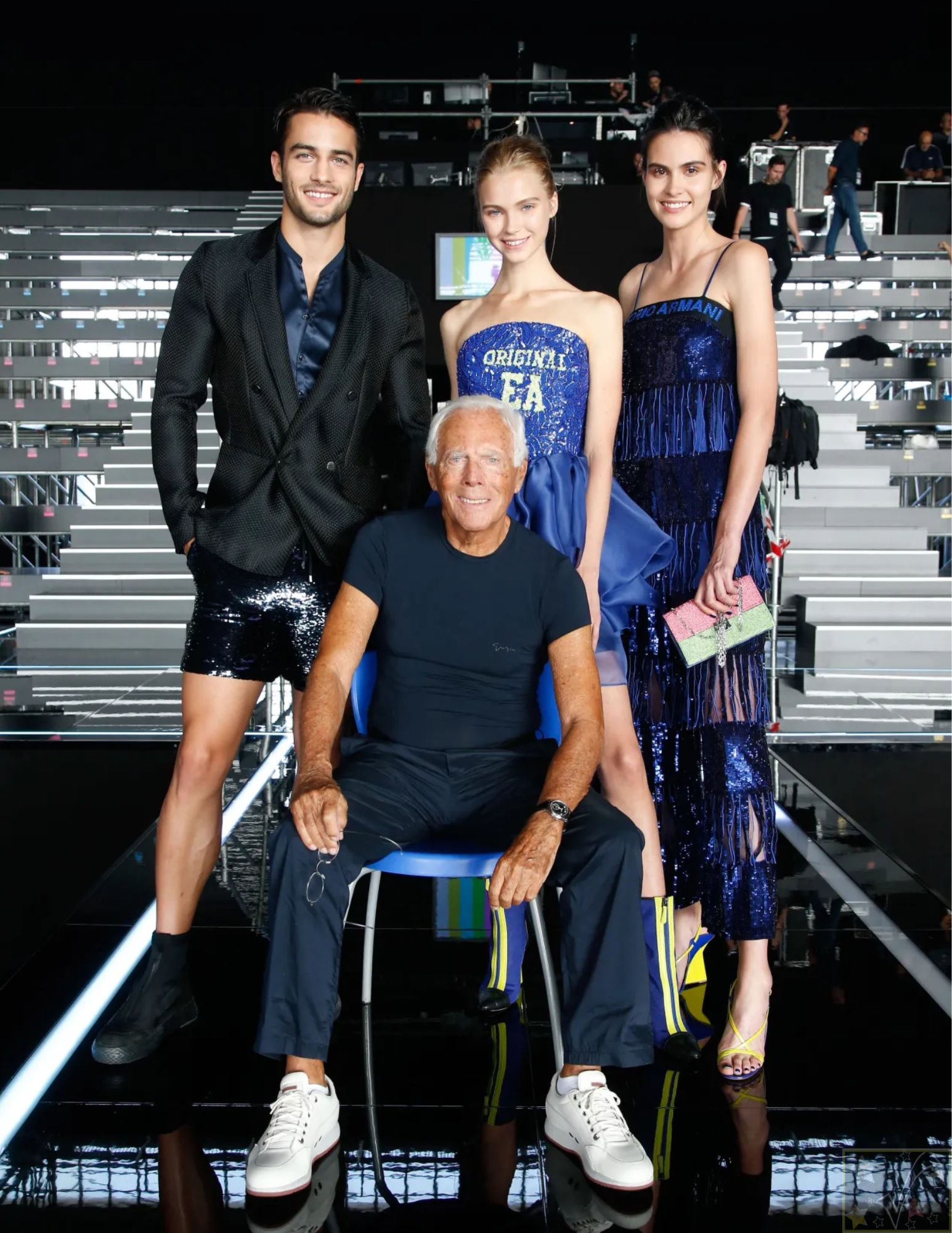
When news spread of Armani’s passing, Milan, the city he helped put on the fashion map, paused in reverence. Thousands gathered outside the Armani/Teatro, the venue where he staged many of his iconic shows, to honor a designer who had elevated not only Italian fashion but Italian culture. The city’s silent farewell reflected his profound impact, on style, on cinema, and on how we think about clothing as a second skin. In his final reflections, Armani admitted to only one regret: spending too much time in the atelier and not enough with loved ones. Yet he also expressed hope for a seamless succession, ensuring the house of Armani will live on. His true legacy is more than exquisite tailoring, it’s the fusion of elegance with humanity, ambition with integrity.
CHECKED!