
Haute Read: Fashion and Identity, How Designers Shape Cultural Narratives
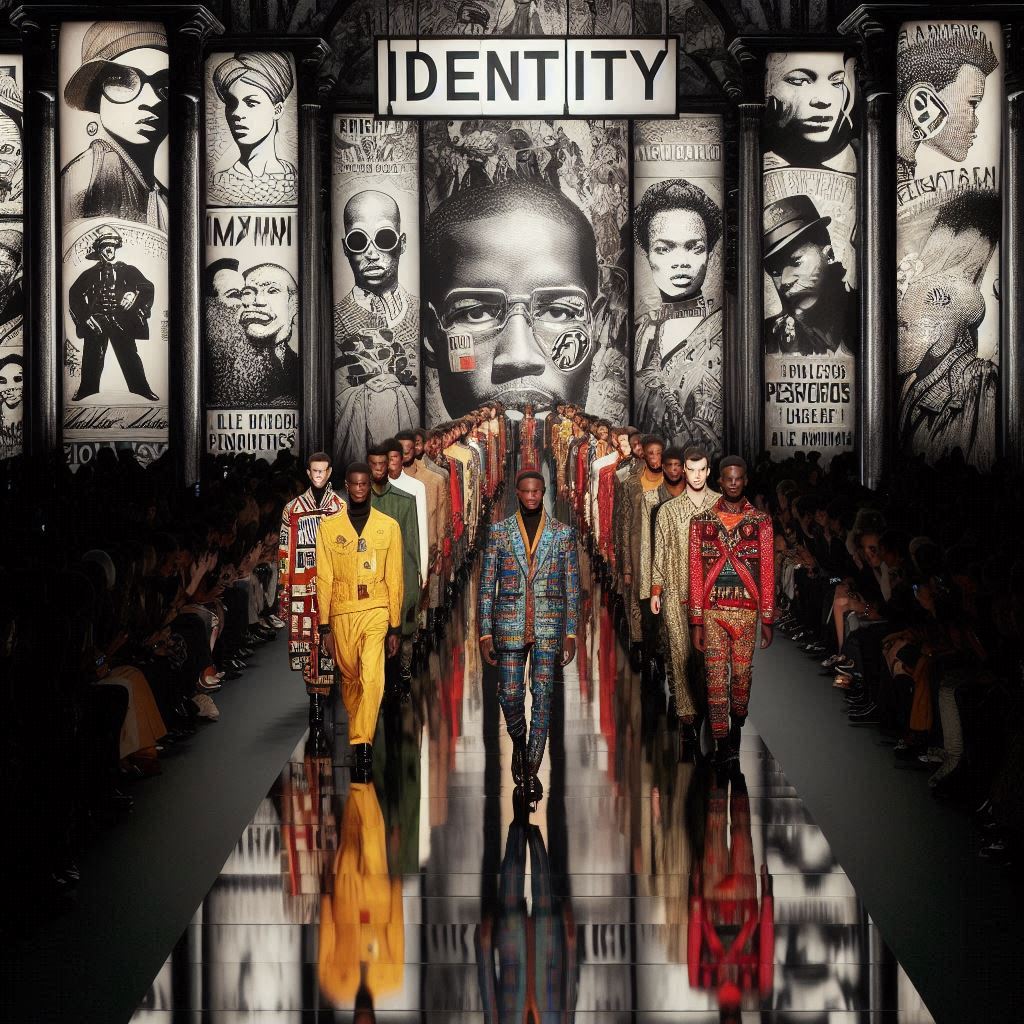
Fashion is more than fabric, it’s a language. Every seam, silhouette, and shade tells a story about who we are, where we come from, and what we stand for. Today’s most daring designers are not just dressing bodies; they’re shaping conversations. Through their collections, they reframe cultural narratives, amplify marginalized voices, and spark global dialogue that stretches far beyond the runway.
The New Power of the Runway
Gone are the days when fashion was only about seasonal trends or glitzy escapism. The modern runway is a political stage, cultural archive, and megaphone for identity. When Virgil Abloh reimagined Louis Vuitton menswear, he didn’t just send streetwear into couture territory, he redefined what luxury looks like, who it belongs to, and who it represents. Abloh’s now-iconic rainbow runway debut in 2018 symbolized a breaking of barriers: the collision of skate culture, hip-hop, and high fashion finally had a seat at the table of French heritage houses.
Similarly, Kerby Jean-Raymond of Pyer Moss has turned fashion week into a history lesson and community gathering. His shows highlight forgotten Black pioneers, reclaiming space for stories erased from mainstream history. From gospel choirs to spoken-word performances woven into his presentations, Jean-Raymond ensures his collections are more than garments, they’re declarations. One standout? His 2019 collection, “American, Also,” directly challenged systemic racism while celebrating the resilience of Black culture.
Fashion as a Mirror of Society
This isn’t limited to Black designers rewriting history. Across the globe, creators are using fabric as their medium for activism. Maria Grazia Chiuri of Dior emblazoned “We Should All Be Feminists” across t-shirts in 2017, merging couture with protest culture. Meanwhile, Prabal Gurung has consistently infused his work with commentary on immigration and inclusivity, once closing his show with models wearing sashes reading, “Who gets to be American?”
Fashion has become a dialogue between designer and audience, between heritage and modernity, between protest and possibility. When consumers wear these pieces, they’re not just wearing a brand, they’re participating in a movement.
Why It Matters
The influence is undeniable. Fashion is shaping conversations on identity, belonging, and resistance. Whether it’s Abloh breaking ceilings, Jean-Raymond spotlighting erased histories, or Chiuri blending feminism with French couture, designers are turning wardrobes into manifestos. It’s no longer enough for clothes to look good; they must also mean something.
What does your closet say about you? Is it quiet luxury, loud rebellion, or a mix of both? Fashion is your personal manifesto, wear it with purpose.
CHECKED!